
When peach season hits, the urge to bake something warm, fruity, and comforting is almost primal. But as you stand in the kitchen with a basket of fresh peaches, a common dilemma arises. You know you want that jammy fruit filling, but what goes on top? Do you want the fluffy, biscuit-like comfort of a cobbler, or the sandy, buttery crunch of a crumble?
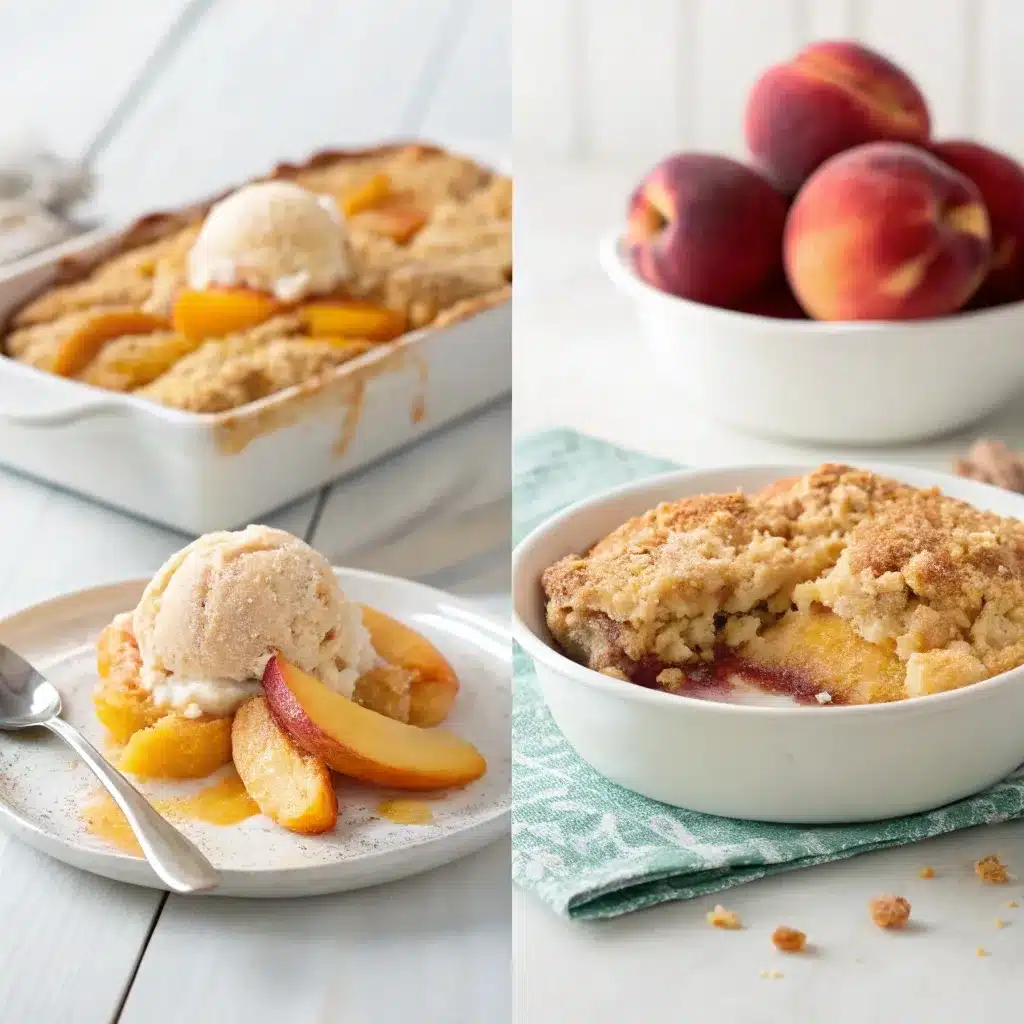
Understanding the difference between peach cobbler and a crumble is about more than just semantics—it is about texture. While they share a similar fruit base, the topping defines the entire eating experience. One offers a soft, cakey embrace, while the other delivers a satisfying, streusel-like snap.
In this guide, we will break down exactly what makes a cobbler a cobbler and how it differs from a crumble (and a crisp!). We will explore the ingredients, the baking methods, and ultimately help you decide which peach dessert belongs on your table tonight.
Table of Contents
Are Cobbler and Crumble the Same Thing? (Quick Answer)
The short answer is no—are cobbler and crumble the same? Definitely not. While they are both baked fruit desserts that lack a bottom crust, they are structurally distinct.
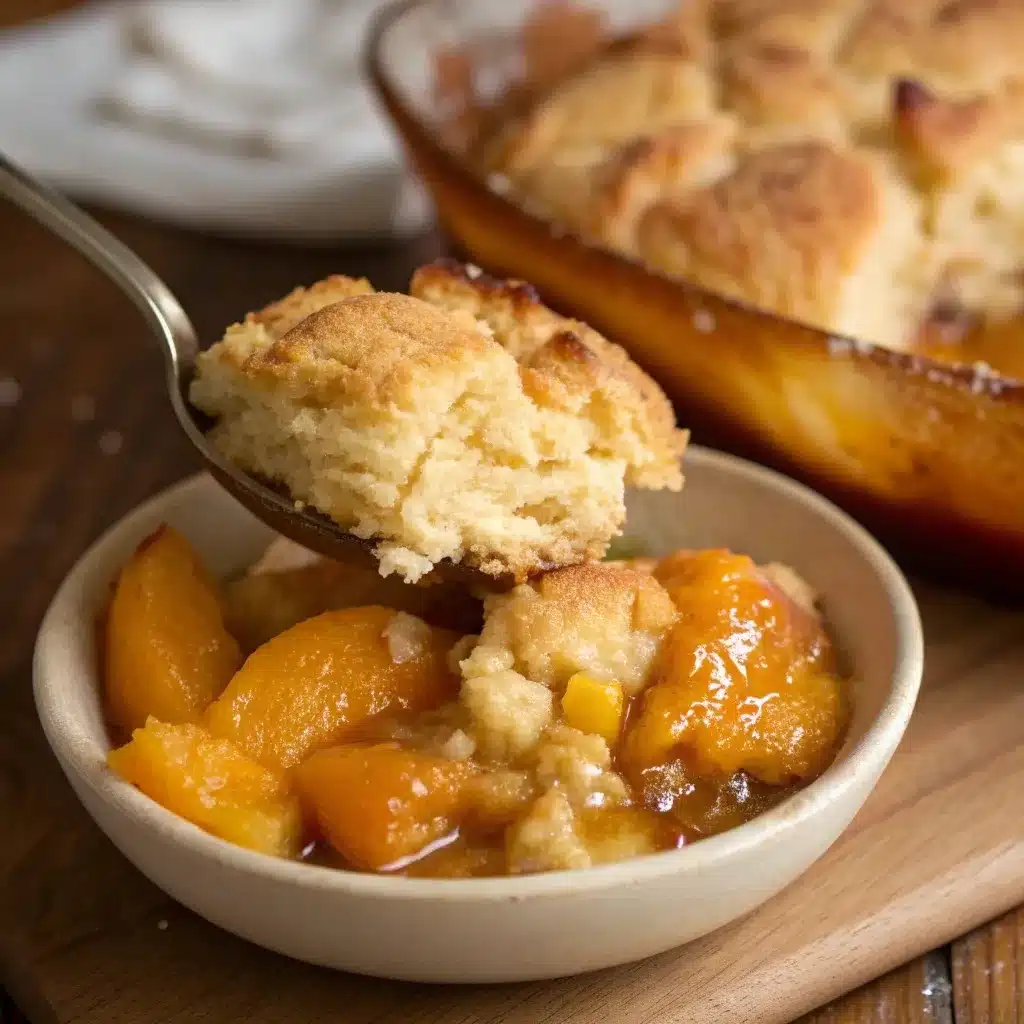
When analyzing the difference between peach cobbler and peach crumble, the primary distinction lies in the topping. A peach cobbler is topped with a wet batter or a biscuit dough that rises during baking, creating a thick, fluffy layer that resembles a cobblestone street. It is soft, dumpling-like on the underside, and golden on top.
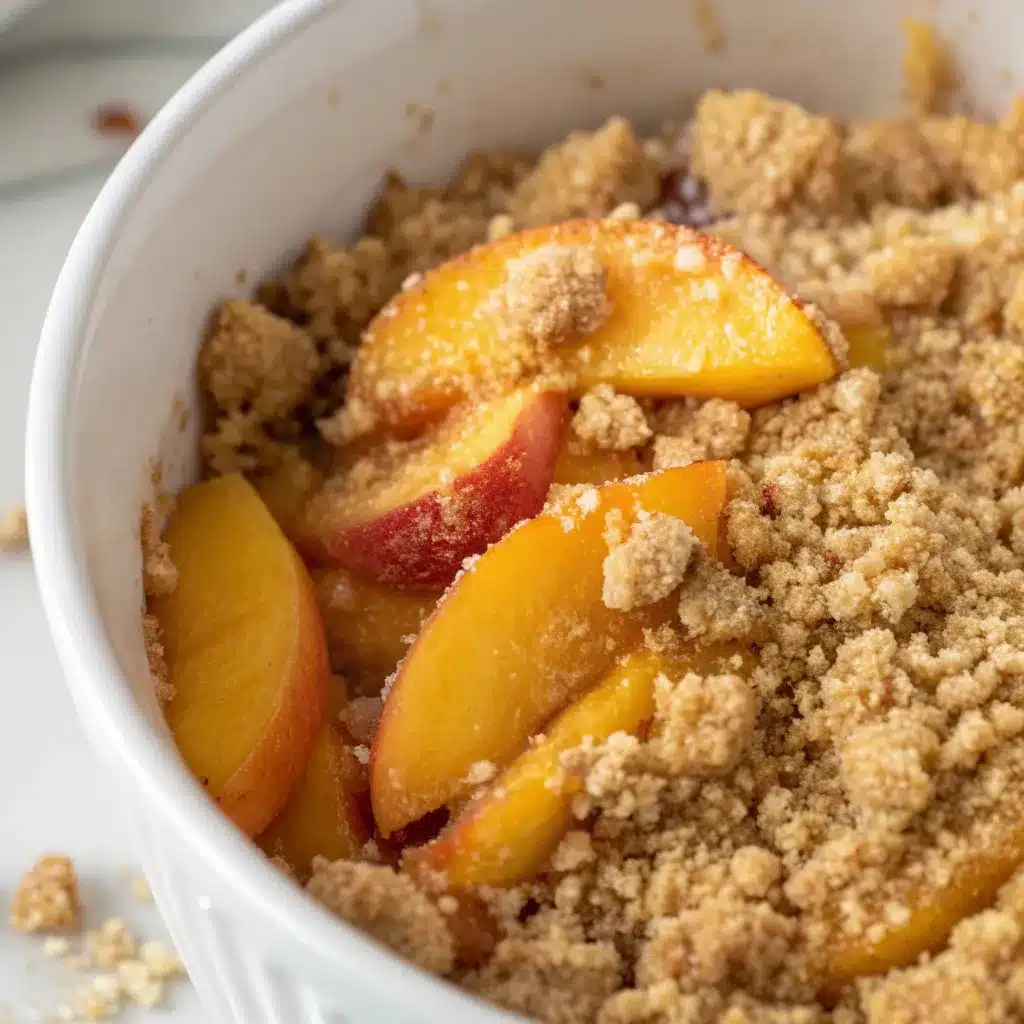
A peach crumble, on the other hand, is topped with a streusel-like mixture of flour, sugar, and butter (and notoriously no oats in the traditional definition). This mixture is rubbed together to form coarse crumbs that are sprinkled over the fruit. It bakes into a sandy, crisp topping that does not rise or fluff up.
For a deeper dive into the specific definitions of these desserts, check out our guide on What Makes It a Cobbler?.
Peach Cobbler vs Peach Crumble — The Key Differences
To truly master these desserts, we need to look at peach cobbler vs peach crumble side-by-side. The differences go beyond just “soft vs. crunchy.”
Topping Structure (The Most Important Difference)
This is the dealbreaker and the most visible difference between peach cobbler and peach crumble.
- Cobbler Topping: This is typically a dough (biscuit-style) or a batter (cake-style). It contains a leavening agent like baking powder, which causes it to puff up and expand in the oven. It is dropped in spoonfuls or poured over the fruit.
- Crumble Topping: This is a dense mixture of flour, butter, and sugar. It has no leavening agent. It sits heavy on the fruit and relies on the fat (butter) to crisp up the flour and sugar into a cookie-like texture.
Texture and Mouthfeel
- Cobbler: The texture is varied. You get the caramelized top crust, a soft, steamed interior where the dough meets the fruit, and the syrupy peaches. It feels hearty and comforting, almost like a fruit pot pie.
- Crumble: The texture is consistent. It provides a sharp contrast between the soft, baked fruit and the crunchy, sandy topping. It is generally lighter and less “bready” than a cobbler.
Fruit Base and Preparation
While both use peaches, the preparation can differ slightly. In a peach cobbler, the fruit is often tossed with a bit more liquid or precooked slightly because the biscuit topping needs steam to cook the underside properly. In a crumble, the fruit is usually just tossed with sugar and cornstarch, as the topping is porous and allows steam to escape easily.
Baking Method and Appearance
Visually, they are unmistakable. A cobbler looks “cobbled”—bumpy, with peaks and valleys where the fruit bubbles through the biscuit gaps. A crumble looks like a uniform blanket of golden-brown crumbs.
If you are craving that classic “cobbled” look with a convenient twist, you might enjoy our Peach Cobbler with Cake Mix, which bridges the gap between ease and tradition.
What Is a Crumble Called in America?
This is where things get tricky, and where the term “Crisp” enters the chat. So, what is a crumble in America?
In the United Kingdom, “crumble” is the catch-all term for any fruit dessert with a streusel topping, regardless of whether it contains oats or nuts. However, in the United States, there is a technical distinction:
- Crumble: A topping made of flour, sugar, and butter. It has a sandy texture. NO OATS.
- Crisp: A topping made of flour, sugar, butter, AND OATS. The oats crisp up during baking, hence the name.
However, in modern American kitchens, the terms are often used interchangeably. But if you want to be technically accurate: if you add rolled oats to your peach dessert topping, you are making a Peach Crisp, not a Peach Crumble.
For a comprehensive breakdown of these nuances, culinary experts at Serious Eats offer an excellent comparison of the crisp, crumble, and cobbler families.
What Makes a Cobbler a Cobbler?
We have established that a cobbler isn’t a crumble, but what makes a cobbler a cobbler specifically? It comes down to the “biscuit” factor.
A true cobbler topping must essentially be a bread product. Whether it’s a drop biscuit dough or a pourable batter, it relies on flour hydration and leavening.
- The Rise: Unlike a crumble which stays flat, a cobbler topping rises.
- The Steam: The topping essentially steams from the bottom up (from the hot fruit juices) and bakes from the top down.
- The Integration: A cobbler topping often sinks slightly into the fruit, becoming one with the filling, whereas a crumble topping sits distinctly on top.
If you are looking to experiment with different fruit bases using this biscuit technique, our Apple Cobbler Recipe demonstrates how versatile this topping can be with fall flavors.
What Is the Best Topping for a Cobbler?
When asking what is the best topping for a cobbler, the answer depends on your regional preference.
- Biscuit Topping: The traditional choice. Cold butter cut into flour, milk, and sugar. It’s flaky, golden, and resembles a scone. Best for soaking up lots of juice.
- Batter Topping: Common in the South. Melted butter, flour, sugar, and milk whisked into a pancake-like batter. It creates a softer, pudding-like crust.
- Cake Mix Topping: The “dump” style. Using a boxed mix to create a crust that is somewhere between a cake and a crisp.
For a detailed look at the ingredients that go into these variations, read our guide on What Is Cobbler Topping Made Of?.
Peach Cobbler vs Crumble — Which One Should You Make?
Still undecided? Here is a quick decision matrix to help you choose between peach cobbler vs peach crumble.
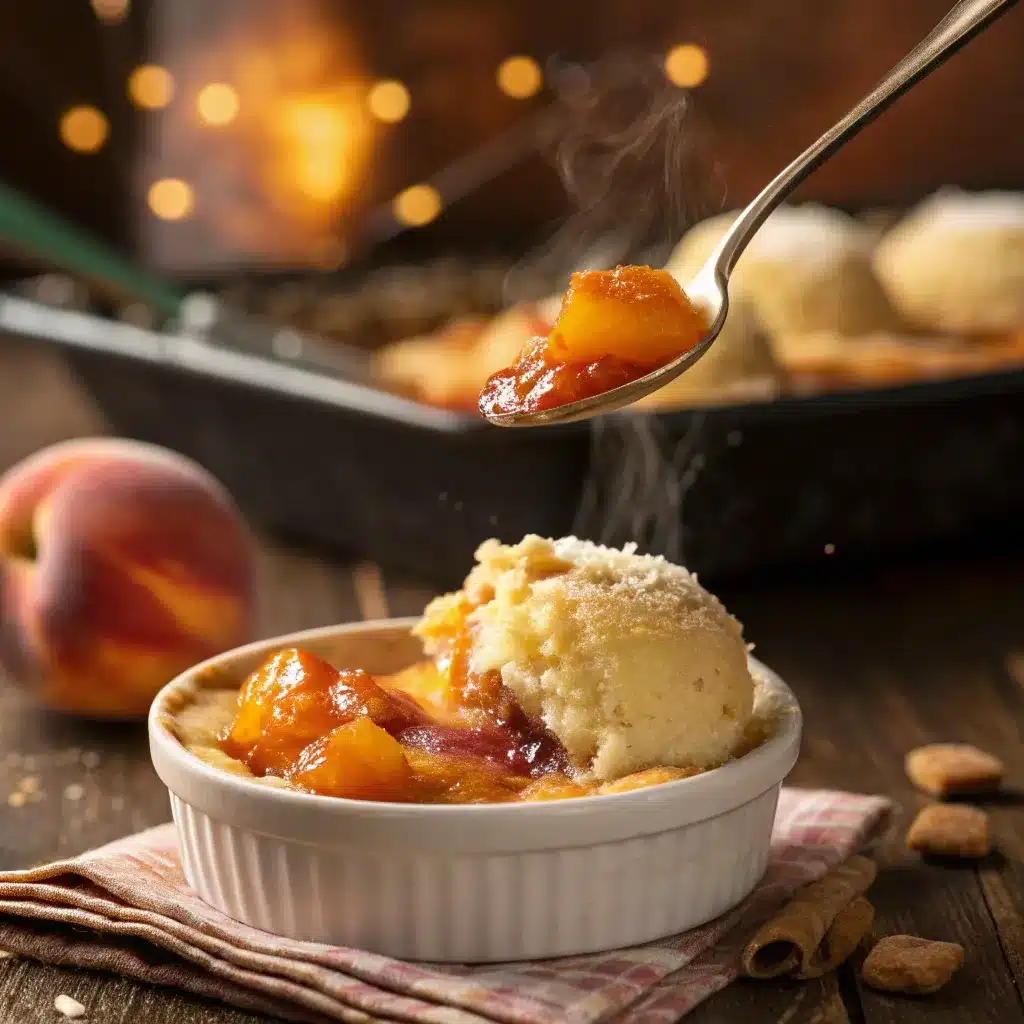
Choose a Peach Cobbler If:
- You love soft, fluffy textures.
- You want a dessert that feels substantial, like a meal.
- You enjoy the contrast of savory biscuit dough with sweet fruit.
- You have fresh buttermilk or milk you need to use up.
Choose a Peach Crumble If:
- You are a texture junkie who loves crunch.
- You want a higher fruit-to-topping ratio.
- You are short on time (rubbing butter into flour is faster than making dough).
- You prefer a buttery, cookie-like flavor over a bready one.
Common Cobbler Mistakes (and How to Avoid Them)
Even simple desserts have pitfalls. If you are troubleshooting what are common cobbler mistakes, check this list:
- Overmixing the Topping: If you are making a biscuit topping, handle it gently. Overworking the dough develops gluten, turning your fluffy biscuits into hard hockey pucks.
- Adding Too Much Liquid: Peaches release a lot of water. If you don’t use cornstarch or tapioca to thicken the filling, your cobbler will be soupy, and the bottom of the topping will be soggy raw dough.
- Using Oats: As we learned, adding oats turns your cobbler (or crumble) into a crisp. If you want a smooth texture, skip the oats.
- Baking Too Deep: If your dish is too deep, the topping might burn before the center of the biscuit dough is cooked through. A 9×13 pan or a wide skillet is usually better than a deep casserole dish.
- Not Enough Sugar in Topping: Since biscuit dough can be savory, ensure you add enough sugar (or a coarse sugar sprinkle on top) to distinguish it from a dinner biscuit.
A surprisingly common issue is texture confusion—sometimes a cobbler bakes up looking more like a sponge cake than a rustic dessert. If this happens to you, find out why in our article: Why Did My Cobbler Turn Out Like Cake?.
Frequently Asked Questions
Are cobbler and crumble the same?
No. A cobbler has a biscuit or batter topping that rises and becomes fluffy. A crumble has a streusel topping made of flour, sugar, and butter that stays crunchy and sandy.
What is the difference between peach cobbler and peach crumble?
The main difference is the topping. Peach cobbler uses a wet dough or batter that creates a soft, cakey crust. Peach crumble uses a dry, buttery crumb mixture that creates a crispy, cookie-like layer.
What is crumble called in America?
In America, a “crumble” usually refers to a fruit dessert with a non-oat streusel topping. If the topping contains oats, it is typically called a “crisp,” though the terms are often used interchangeably.
What makes a cobbler a cobbler?
A cobbler is defined by its topping—specifically, a biscuit or batter that is “cobbled” or dropped over the fruit. It lacks a bottom crust and is known for its rustic, bumpy appearance.
What is the best topping for a cobbler?
The best topping is subjective, but the traditional choice is a sweetened drop biscuit dough. This provides the perfect balance of a crisp top and a soft, dumpling-like underside that absorbs fruit juices.
What are common cobbler mistakes?
Common mistakes include overmixing the biscuit dough (making it tough), not thickening the fruit filling (making it soupy), and baking in a dish that is too deep (leaving the dough raw in the middle).
Conclusion — The Real Difference Between Peach Cobbler and a Crumble
Ultimately, understanding the difference between peach cobbler and peach crumble ensures you get the texture you crave. If you want the comforting, pillowy softness of a biscuit soaking up warm peach syrup, the cobbler is your winner. If you want the satisfying snap of buttery sugar crumbs against tender fruit, the crumble takes the crown.
Both are celebrations of the peach, and frankly, you can’t go wrong with either—especially when served with a scoop of vanilla ice cream.
If you are in the mood for something completely different but equally sweet and bite-sized, try our Pumpkin Bread Truffles for your next baking project!
3 thoughts on “What’s the Difference Between a Peach Cobbler and a Crumble?”