
When you pull a bubbling fruit dessert from the oven, the aroma of caramelized sugar and baked dough instantly fills the kitchen with a sense of home. But in the vast world of baked fruit desserts—where crumbles, crisps, buckles, and bettys all compete for attention—confusion often reigns. You might find yourself staring at a recipe and wondering: what makes it a cobbler exactly? Is it the fruit? Is it the crust? Or is it simply a feeling?

The short answer lies in the name itself. A true cobbler is defined by its topping—a thick biscuit or batter crust that is dropped or poured over a fruit base, baking up to resemble a rough, “cobbled” street. Unlike the uniform crust of a pie or the sandy texture of a crisp, a cobbler is rustic, hearty, and beautifully imperfect.
In this definitive guide, we will peel back the layers of this old-fashioned favorite. We will explore what is a cobbler dessert, its deep Southern roots, the specific science of its topping, and finally settle the score on cobbler vs crumble. Whether you are a baking novice or a seasoned pro looking to perfect your technique, this is everything you need to know about the true identity of a cobbler.
Table of Contents
What Is a Cobbler Dessert? (Simple Definition)
At its core, what is a cobbler dessert? It is a deep-dish fruit dessert topped with a thick batter or biscuit dough. Unlike a pie, which traditionally encases fruit in a bottom and top crust, a cobbler has no bottom crust. The fruit—typically berries, peaches, or apples—is placed directly into the baking dish, and the topping is added before baking.
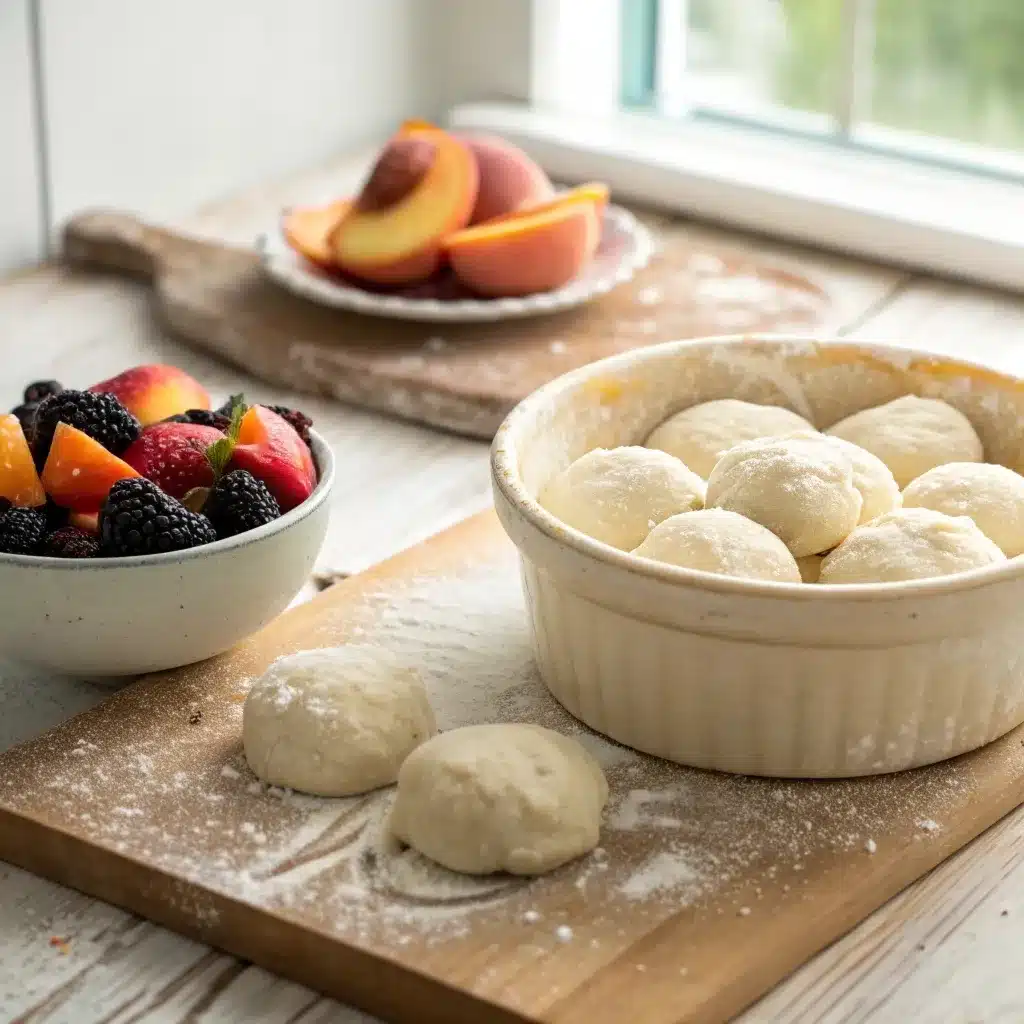
The defining characteristic that separates it from its cousins (like the crisp or crumble) is the texture of that topping. A cobbler does not have a crunchy, streusel-like layer of oats and brown sugar. Instead, it features a soft, fluffy, and slightly crisp dough that absorbs the fruit juices as it rises.
Key Identifiers of a Cobbler:
- Fruit Base: A generous layer of sweetened fresh, frozen, or canned fruit.
- Topping Type: Biscuit dough, scone-like dough, or a cake-like batter.
- Texture: Soft interior with a golden, slightly crisp exterior.
- Appearance: The topping is often dropped in spoonfuls, leaving gaps for the fruit to bubble through, creating that signature “cobblestone” look.
- Why It’s NOT a Pie: No bottom crust, and the top is not a rolled sheet of pastry.
The History Behind the Cobbler (Old-Fashioned Southern Roots)
To truly understand the soul of this dish, we have to look back at its origins. The cobbler is an old-fashioned dessert born out of necessity and improvisation. It traces its lineage back to early British American settlers.
When these settlers arrived in the New World, they wanted to make their traditional suet puddings and fruit pies. However, they lacked the proper ingredients and equipment for precise pastry work. With no brick ovens to ensure an even bake for a pie crust, and often limited access to refined fats, they had to adapt. They improvised by stewing whatever fruit was available—peaches in the South, berries or apples in the North—and topping it with clumps of biscuit dough before cooking it over an open fire or in a Dutch oven.
This adaptation became a staple Southern dessert, evolving from a makeshift campfire meal to a Sunday dinner icon. The name “cobbler” likely references the appearance of the finished dish. As the dollops of dough baked and puffed up, they looked like the cobblestones of a paved street. According to Taste Atlas, this rustic nature is exactly what cemented the cobbler’s place in American culinary history—it wasn’t about perfection; it was about warmth and resourcefulness.
What Makes a Cobbler a Cobbler? (Core Characteristics)
If you are trying to determine how to identify a cobbler in the wild, or you want to ensure your homemade creation qualifies, you need to look for three specific elements. These are the non-negotiables that answer what makes it a cobbler.
1. A Juicy Fruit Base (Fresh, Frozen, or Canned)
The foundation of any cobbler is the fruit. Because cobblers are deep-dish baked fruit desserts, the fruit layer is substantial. Whether you use peaches, blackberries, cherries, or apples, the fruit is usually tossed with sugar and a thickening agent (like cornstarch or flour) to create a syrup.
- The Moisture Factor: Unlike a tart where fruit might be arranged precisely, cobbler fruit is meant to be juicy. The high moisture content is essential because it steams the dumpling-like topping from below while the oven heat bakes it from above.
2. The Signature Biscuit or Batter Topping
This is the most critical factor. If you sprinkle oats on it, you have lost the right to call it a cobbler. The topping must be dough-based.
- Biscuit Topping: This is the most traditional style. Cold butter is cut into flour to create a flaky, scone-like dough. It is rolled out and cut into rounds or, more commonly, dropped in rustic clumps over the fruit.
- Batter Topping: Common in the South (often called a “Texas-style” or “cupa-cupa” cobbler), this involves a pourable batter similar to a pancake mix. As the fruit cooks, the batter rises through it, creating a cakey crust that intermingles with the fruit.
For a deeper dive into the nuances of these toppings, check out our guide on What Is Cobbler Topping Made Of?.
3. Rustic, Imperfect, Home-Style Texture
A cobbler is not supposed to be pretty in the way a lattice-top pie is pretty. It is supposed to be messy. What is cobbler made of if not imperfect spoonfuls of dough? The gaps between the biscuits allow the fruit filling to bubble up and spill over, creating sticky, caramelized edges that are often the best part of the dish. If the topping completely seals the fruit like a lid, it leans more towards a pot pie; a true cobbler breathes.
Cobbler vs Crumble vs Crisp — What’s the Difference?
This is where the debate often heats up. The terms are frequently used interchangeably, but structurally, they are distinct. The primary difference always comes down to the topping.
| Feature | Cobbler | Crumble | Crisp |
|---|---|---|---|
| Topping | Biscuit dough or batter | Streusel (flour, sugar, butter) | Streusel with OATS |
| Texture | Fluffy, soft, cakey | Sandy, crumbly | Crunchy, crispy |
| Appearance | “Cobbled” bumps | Uniform layer | Uniform layer |
| Ingredients | Flour, baking powder, milk/buttermilk | Flour, sugar, butter | Oats, nuts, flour, butter |
- The Oat Rule: If it contains oats, it is almost certainly a crisp.
- The Flour Rule: If the topping is a loose mixture of flour and butter that crumbles between your fingers, it is a crumble.
- The Dough Rule: If the topping is a wet dough or batter that binds together, it is a cobbler.
For a comprehensive breakdown of the specific differences between apple versions of these desserts, read What Is the Difference Between Apple Cobbler and Apple Crumble?.
Experts at Serious Eats agree that while regional variations exist, the absence of a bottom crust and the presence of a biscuit top are the defining traits of a cobbler.
Types of Cobbler Toppings (With Examples)
While the biscuit is king, the cobbler topping has evolved. Depending on where you live and what your grandmother taught you, a cobbler might look slightly different.
Biscuit-Style Topping
This is the classic “drop biscuit” method. It results in a topping that is golden and crisp on the outside but fluffy and soft on the inside, soaking up the fruit juices like a dumpling. It is ideal for savory-sweet fruits like apples or tart berries.
Cake Mix Topping
A modern evolution of the cobbler is the “dump” method, where a box of cake mix is utilized to speed up the process. This creates a dense, buttery, cake-like crust that forms a solid shell over the fruit. It is incredibly popular for its ease and consistent results. You can see this method in action in our Peach Cobbler with Cake Mix recipe.
Batter-Style Topping
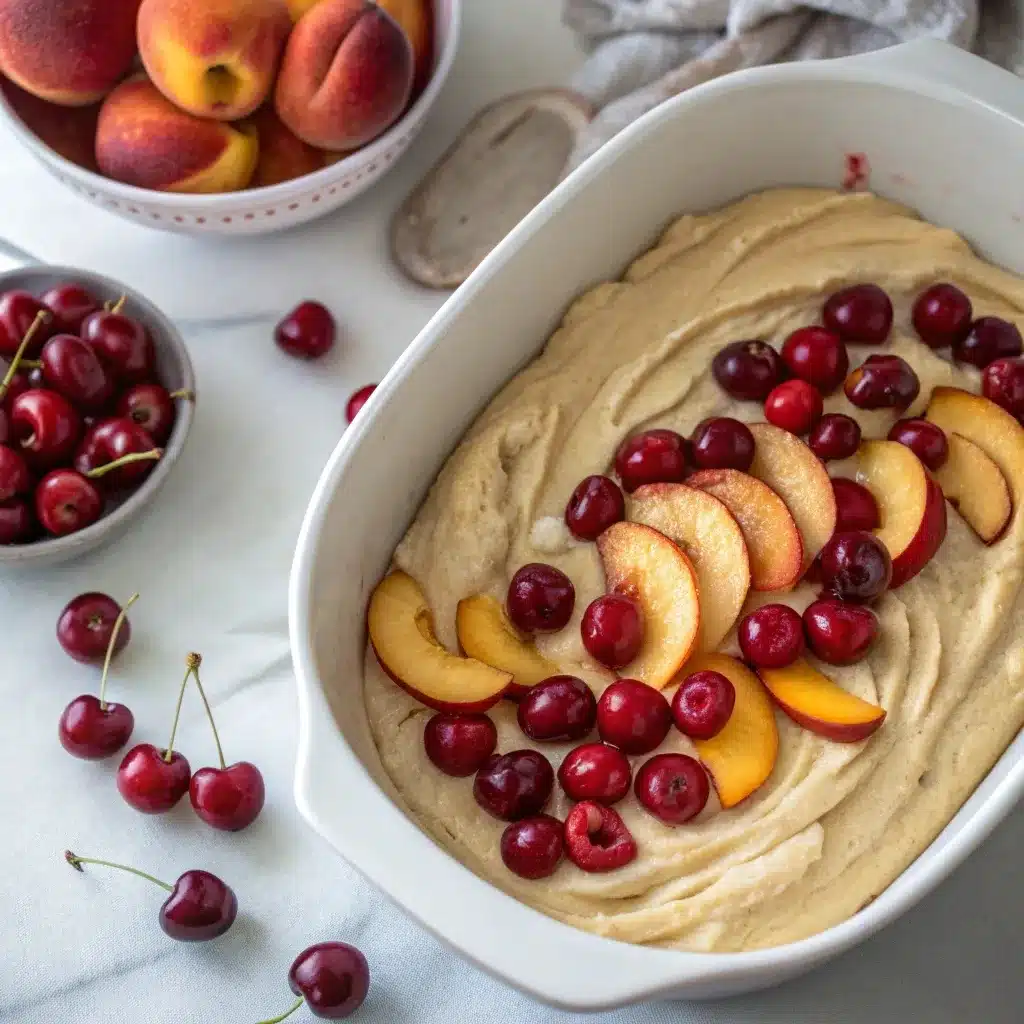
In this variation, you melt butter in the baking dish, pour in a liquid batter, and then spoon the fruit on top. As it bakes, the batter rises up and over the fruit, encasing it. This results in a softer, more pudding-like consistency.
Oat or Hybrid Topping
Sometimes, rebels add a tablespoon of oats to a biscuit dough for texture. While purists might clutch their pearls, if the binder is primarily dough and not butter-sugar crumbs, it still falls under the cobbler umbrella—barely!
Common Mistakes That Change a Cobbler’s Texture
Even with a simple definition, things can go wrong. If you are wondering how to identify a cobbler that has gone rogue, look for these texture flaws.
- Too Much Liquid: If you don’t thicken your fruit filling with cornstarch or tapioca, the steam will make the bottom of your biscuit dough soggy and raw.
- Overmixing the Topping: Biscuit dough should be handled gently. If you knead it or stir the batter too vigorously, the gluten develops too much, and your fluffy topping becomes a tough, rubbery puck.
- Adding Oats: As mentioned, adding a cup of oats pushes your dessert into “Crisp” territory.
- Pressing the Topping: If you roll out the dough and seal the edges to the pan, you are essentially making a pot pie without a bottom. A cobbler needs those gaps to vent steam.
A frequent issue bakers face is texture confusion. If your topping disappeared into the fruit or became indistinguishable from the filling, you might need to troubleshoot. Check out our article: Why Did My Cobbler Turn Out Like Cake? to solve this mystery.
Popular Cobbler Variations (Fruit, Regional & Modern)
Now that you know what makes it a cobbler, you can explore the endless variations.
- The Classic Peach: The undisputed king of Southern cobblers.
- Berry Medley: Blackberries, blueberries, and raspberries work exceptionally well because their tartness cuts through the rich biscuit dough.
- Spiced Apple: A fall favorite. Our Apple Cobbler Recipe uses warm spices like cinnamon and nutmeg to complement the buttery crust.
- Savory Cobblers: Yes, tomato and herb cobblers exist! The biscuit topping is savory (often cheesy), and the filling is a vegetable stew.
When Is It Not a Cobbler?
To solidify the definition, it helps to know what a cobbler is not.
- It is NOT a Pie: If it has a bottom crust, it is a pie. Even deep-dish pies usually have a pastry lid, not a biscuit topping.
- It is NOT a Crisp: If the topping is crunchy and oat-heavy, it is a crisp.
- It is NOT a Dump Cake: This is a tricky one. A dump cake typically involves dumping dry cake mix and melted butter over fruit. While the result is cobbler-like, the technique is distinct from mixing a wet batter or cutting biscuit dough. If you are confused by the overlap, read What’s the Difference Between a Dump Cake and a Cobbler?.
- It is NOT a Buckle: A buckle is a cake with fruit mixed into the batter, topped with streusel. It bakes up like a coffee cake.
FAQs — Clear, Short, High-Value Answers
What defines a cobbler topping?
A cobbler topping is defined by its doughy consistency. It is made from flour, sugar, butter, and a leavening agent (like baking powder) and liquid (milk or buttermilk). It bakes into a biscuit or cake-like texture, unlike the crunchy, crumbly topping of a crisp.
Does a cobbler always need fruit?
Traditionally, yes. The name implies a fruit base. However, modern savory variations exist (like chicken cobbler), but in the world of desserts, a fruit base is a requirement.
Can you make cobbler without butter?
Technically, yes, by using oil or shortening, but the flavor will suffer. Butter provides the richness and the golden-brown crispness that defines a high-quality cobbler topping.
What is the best fruit for cobbler?
Stone fruits (peaches, nectarines, apricots) and berries (blackberries, blueberries) are the best because they break down into a delicious syrup that thickens naturally. Apples are also excellent but require a bit longer to cook.
Is cobbler supposed to be cakey or biscuit-like?
It can be both! It depends on the region. A biscuit-style cobbler has individual dumplings on top. A batter-style cobbler creates a continuous, cake-like crust that is softer and gooier.
Conclusion — The True Identity of a Cobbler
So, what makes it a cobbler? It is the perfect marriage of juicy, stewed fruit and a comforting, doughy topping. It is the visual of a bumpy, golden road of biscuits floating on a sea of syrup. It is the history of settlers making do with what they had, and the result being something better than they could have imagined.
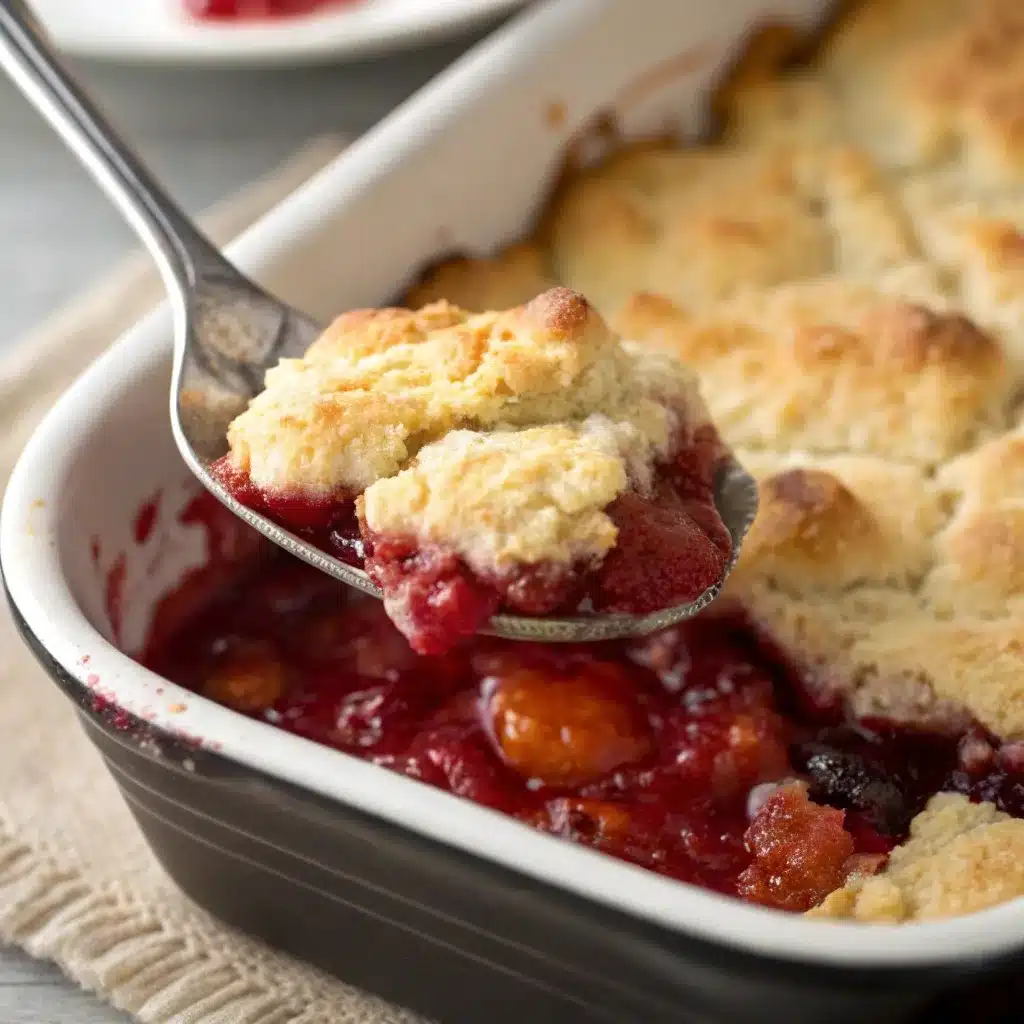
Whether you prefer the drop-biscuit method or the pour-batter technique, the soul of the cobbler remains the same: rustic, unpretentious, and deeply satisfying. Now that you can spot a true cobbler from a mile away, why not head to the kitchen and bake one yourself?